Introduction to Autonomous Vehicles
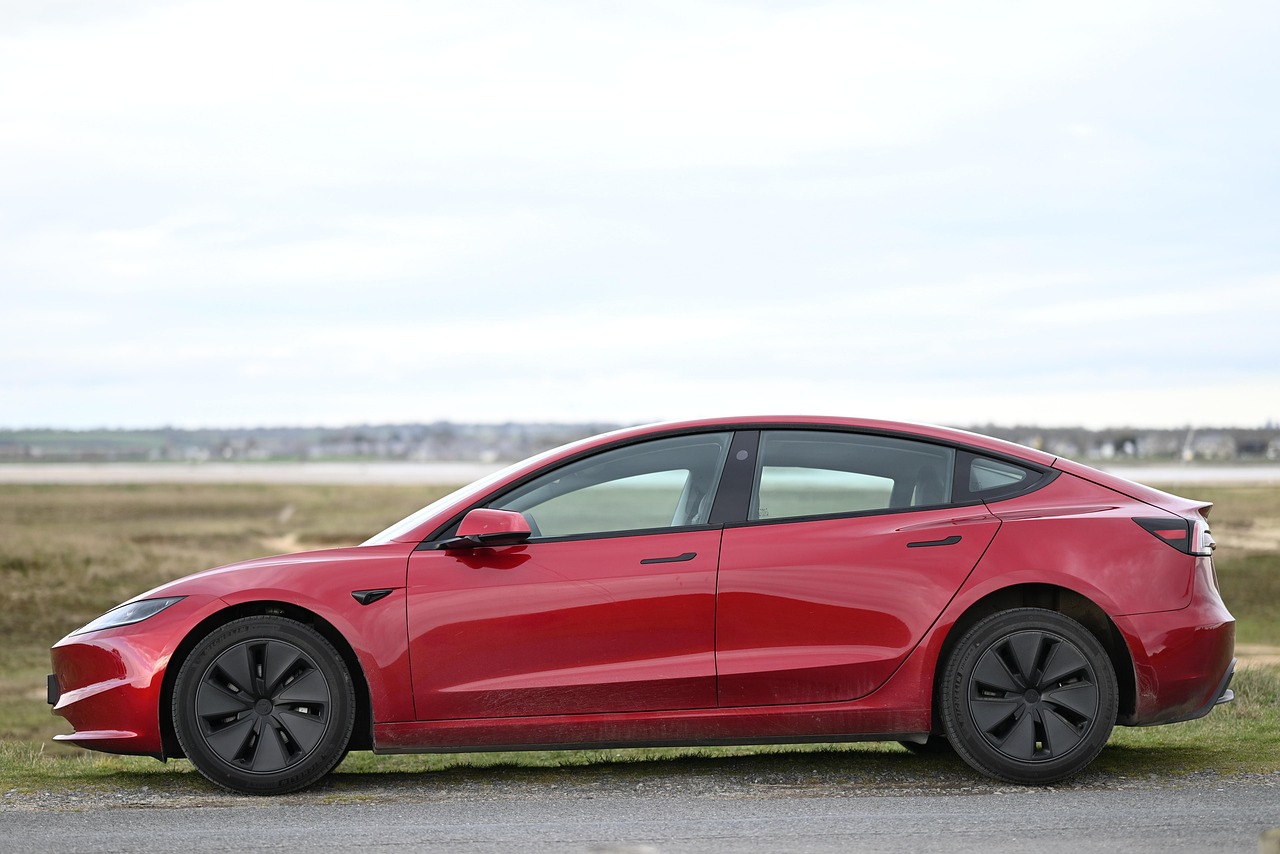
The automotive industry is on the cusp of a revolution, driven by the rapid development of autonomous vehicle technology. At the forefront of this revolution is Tesla, a company that has been pioneering the development of self-driving cars. With its autonomous vehicle strategy, Tesla is not only transforming the way we travel but also disrupting the traditional automotive business model.
The financial implications of Tesla's autonomous vehicle plans are significant, with potential impacts on the company's revenue streams, profitability, and competitiveness. In this article, we will delve into the financial analysis of Tesla's autonomous vehicle strategy and explore its implications for the automotive industry.

Autonomous Vehicle Technology: An Overview
Autonomous vehicle technology has been advancing rapidly in recent years, with significant improvements in areas such as computer vision, machine learning, and sensor technology. Tesla's autonomous vehicle system, known as Autopilot, uses a combination of cameras, radar, and ultrasonic sensors to enable semi-autonomous driving capabilities.
The development of autonomous vehicle technology has significant implications for the automotive industry, including the potential for improved safety, increased mobility, and reduced traffic congestion. However, it also raises important questions about the future of transportation and the role of human drivers.
Financial Implications of Autonomous Vehicles
The financial implications of autonomous vehicles are far-reaching, with potential impacts on Tesla's revenue streams, profitability, and competitiveness. One of the key benefits of autonomous vehicles is the potential for increased revenue through the sale of autonomous driving software and services.
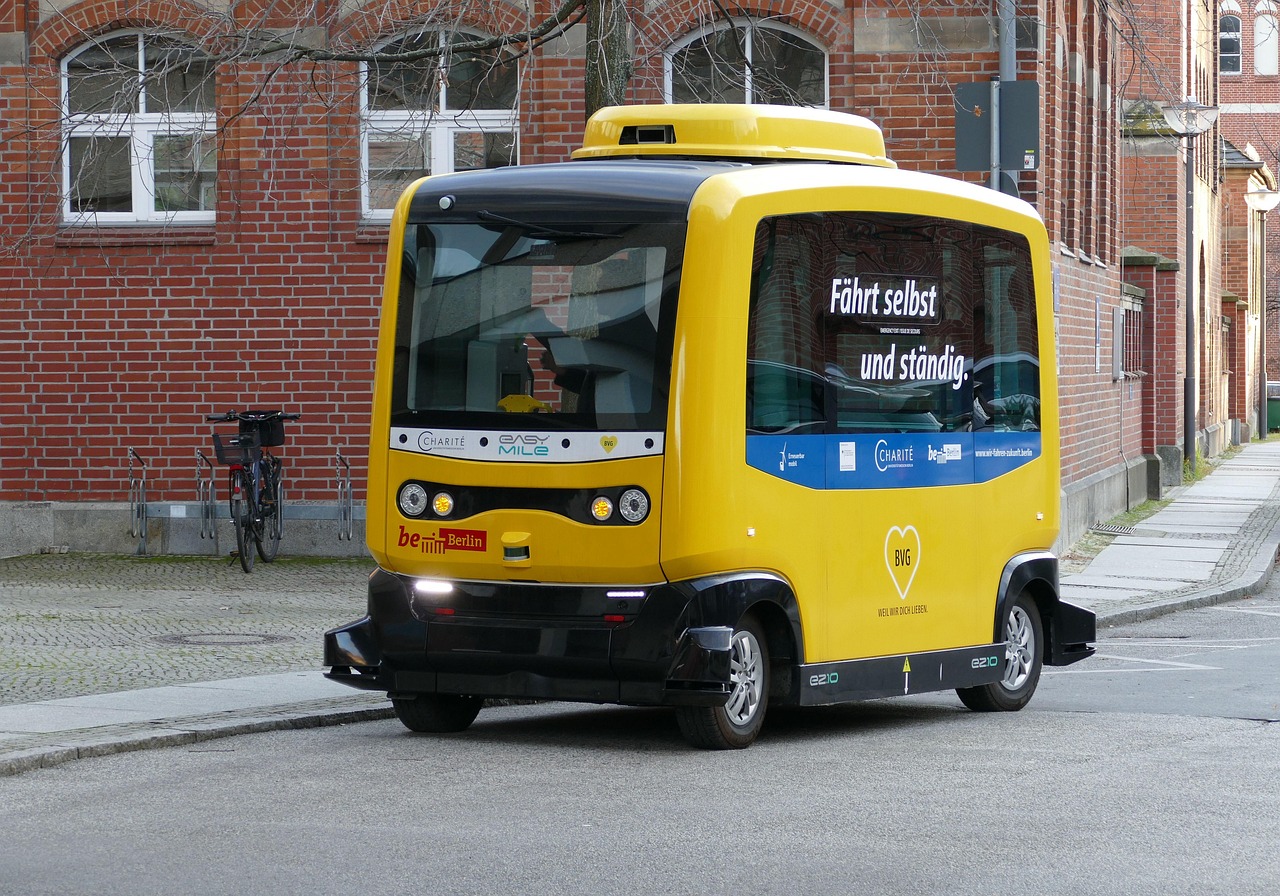
Tesla has already begun to generate revenue from its Autopilot system, which is available as an optional feature on its vehicles. The company has also announced plans to launch a robotaxi service, which will enable customers to hail autonomous vehicles using a mobile app. This service has the potential to generate significant revenue for Tesla, particularly in urban areas where demand for ride-hailing services is high.

Cost Savings and Increased Efficiency
Autonomous vehicles also have the potential to reduce costs and increase efficiency for Tesla and other automotive companies. For example, autonomous vehicles can optimize routes and reduce fuel consumption, which can lead to cost savings for companies that operate large fleets of vehicles.
Additionally, autonomous vehicles can improve safety, which can reduce the cost of insurance claims and other expenses related to accidents. This can lead to significant cost savings for companies that operate autonomous vehicles, particularly in industries such as trucking and logistics.
Competitive Landscape and Market Trends
The competitive landscape for autonomous vehicles is rapidly evolving, with several companies, including Waymo, Cruise, and Argo AI, competing to develop and deploy autonomous vehicle technology. Tesla's autonomous vehicle strategy is highly competitive, with a strong focus on software development and innovation.
Market trends suggest that the demand for autonomous vehicles will continue to grow in the coming years, driven by advances in technology and increasing consumer acceptance. According to a report by McKinsey, the market for autonomous vehicles is expected to reach $1.4 trillion by 2025, with significant growth opportunities in areas such as ride-hailing and logistics.
Regulatory Environment and Challenges
The regulatory environment for autonomous vehicles is complex and evolving, with different countries and states having different rules and regulations governing the development and deployment of autonomous vehicle technology. Tesla and other companies must navigate this complex regulatory environment to ensure compliance and avoid potential risks.
Despite the challenges, Tesla's autonomous vehicle strategy is well-positioned to succeed, with a strong focus on innovation and a commitment to safety. The company's experience in developing and deploying autonomous vehicle technology has given it a significant advantage in the market, and its brand reputation and customer loyalty will be important factors in its success.
Conclusion and Future Outlook
In conclusion, Tesla's autonomous vehicle strategy is transforming the automotive industry, with significant financial implications for the company and its competitors. The development of autonomous vehicle technology has the potential to improve safety, increase mobility, and reduce traffic congestion, and Tesla is well-positioned to succeed in this market.
As the automotive industry continues to evolve, it is likely that we will see significant advances in autonomous vehicle technology, with potential impacts on the environment, society, and the economy. Tesla's autonomous vehicle strategy is an important part of this evolution, and its success will depend on its ability to innovate, adapt to changing market trends, and navigate the complex regulatory environment.